Experiential marketing: how to plan a brand activation that generates leads
How to turn festival and event foot traffic into leads: one goal, a 30-second interaction, a QR capture path into your CRM, and follow-up within 24 hours.

A brand activation works when it gives people one simple thing to do, captures their details with consent, and follows up within a day. Set one measurable goal, design a 30-second interaction, send every scan to a tagged mobile page connected to your CRM, brief your staff on one opening line, and judge the event on leads and bookings, not on crowd size.
- Foot traffic is not a result. Count interactions, leads and bookings.
- Design for a passer-by who gives you 30 seconds, not for a visitor who stays ten minutes.
- Every QR code should carry a tagged link so event leads show up as their own source in your CRM and analytics.
- Follow up within 24 hours. Interest fades quickly once people leave the venue.
Key terms explained (9)
- CRM
- Customer relationship management software: one place that stores your contacts, conversations, appointments and deals. GoHighLevel and HubSpot are examples.
- URL
- A web address, such as remarcatapang.com/playbooks/.
- UTM
- Short tags added to the end of a link (for example ?utm_source=facebook) so your analytics can tell which campaign, email or post a visitor came from.
- QR code
- A square barcode people scan with their phone camera to open a link, menu or form.
- CASL
- Canada’s Anti-Spam Legislation: the law that sets the rules for sending commercial emails and text messages in Canada.
- Cost per lead
- What you spend to get one enquiry: total spend divided by the number of leads.
- Nurture
- Regular, helpful messages to people who aren’t ready to buy yet, so they remember you when they are.
- Pipeline
- The stages a deal moves through in your CRM, from new lead to won or lost.
- Opt-in and opt-out
- Opting in means agreeing to receive messages; opting out means asking to stop, for example by replying STOP.
What is experiential marketing?
Experiential marketing is marketing people take part in, in person: a festival booth, a product sampling, a pop-up, a sponsored stage, a pavilion. A brand activation is a single planned experience of that kind, built to make people do something with the brand, not only see it.
It sits alongside digital marketing, not against it. The crowd is the awareness. The follow-up happens in your CRM (customer relationship management software), your inbox and your ads.
Why does on-ground marketing still matter?
Digital channels are crowded and easy to scroll past. An in-person experience has the person’s full attention for a short time, lets them taste, try or ask, and gives you content and contacts you can use for months afterwards. The weakness of most activations is that nothing connects the crowd to the CRM. People enjoy the booth, walk away, and the brand has no way to reach them again. The steps below are about closing that gap.
Step 1: Set one measurable goal
Choose the single outcome the activation exists for, and a number:
- Leads: 300 contacts with consent to follow up.
- Trial: 1,000 samples handed out with a redemption offer.
- Sales: a revenue target on the day.
- Content: 20 short videos and 100 photos for the next quarter.
The goal decides everything else: the layout, what staff say, and what you count.
Step 2: Design a 30-second interaction
Most people at a festival are walking past. Plan for someone who gives you half a minute:
- A reason to stop that can be read from five metres away: a sample, a game, a photo spot, a live demo.
- One action they take: taste, spin, vote, pose, scan.
- One exchange: they get something of value, you get a contact or a follow.
Keep signage to a few large words. If the offer needs a paragraph to explain, simplify the offer.
Step 3: Build the capture path before the event
This is the part that turns foot traffic into a pipeline.
- QR code at eye level with a clear reason to scan: “Scan to enter the draw”, “Scan for 15% off this week”.
- A mobile landing page with one short form: name, phone or email, and one qualifying question. Test it on mobile data, because event Wi-Fi is unreliable.
- A tagged link. Build the QR code from a URL with UTM parameters so the event appears as its own source. Google’s guide to campaign URLs explains the parameters, and the Campaign URL Builder creates them.
- CRM connection. Each submission should create a contact tagged with the event name and trigger an instant thank-you message.
- Consent. Add a clear opt-in line to the form. In Canada, CASL requires consent, sender identification and an unsubscribe option for commercial messages.
https://example.com/festival-offer?utm_source=street_festival&utm_medium=event&utm_campaign=summer_activation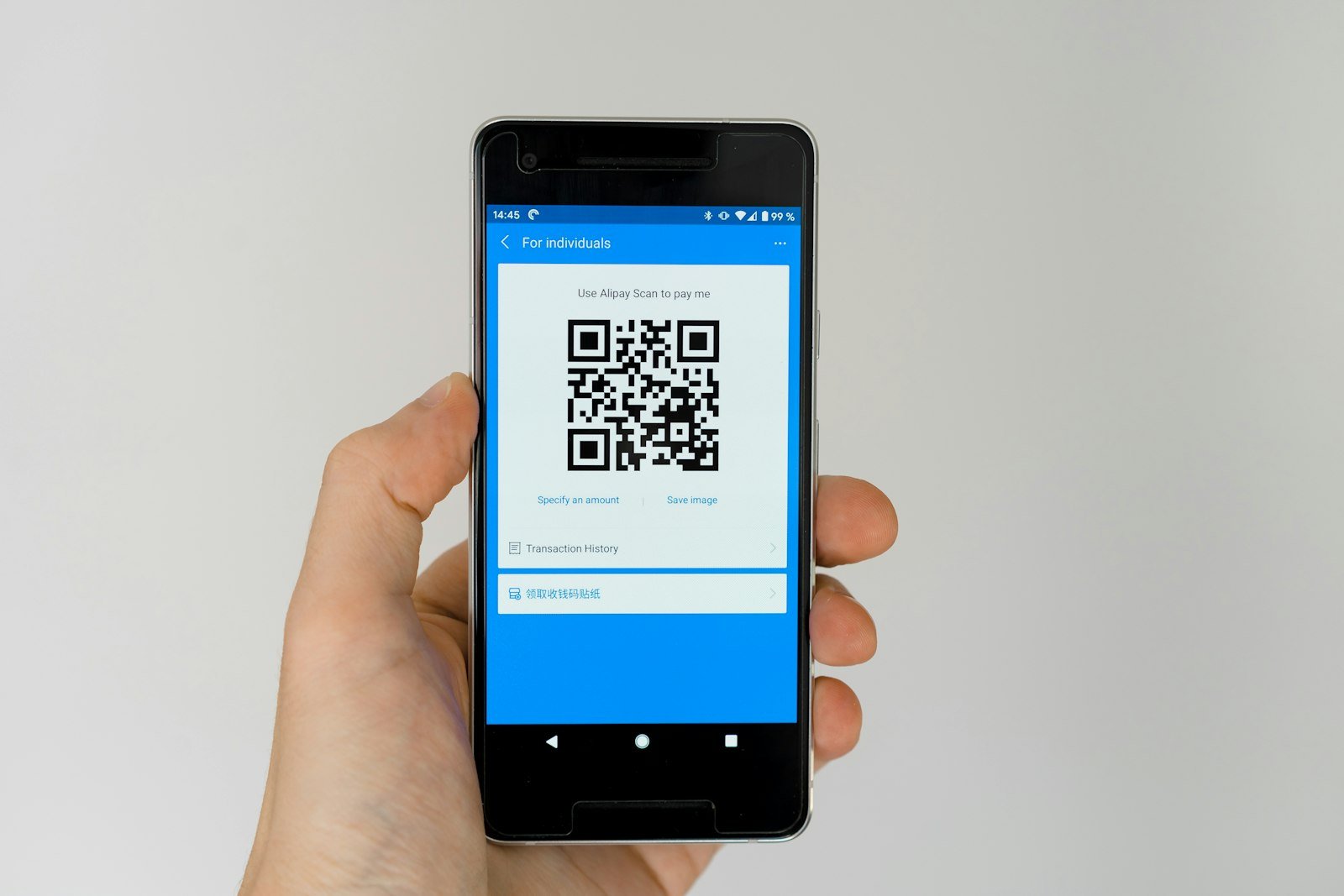
Step 4: Brief the team and write a run of show
Staff make or break an activation. Give everyone a one-page brief:
- The goal and the number for the day.
- One opening line and one qualifying question.
- Who handles the queue, who handles the scan, who restocks.
- A run of show with set-up, peak hours, breaks and pack-down.
Assign one person to count interactions each hour. Those counts show you when the booth was working and when it was not.
Step 5: Capture content on the day
An event is also a content shoot. Make a short shot list in advance: the crowd, the product in people’s hands, two or three quick visitor reactions recorded with permission, and the team at work. Post during the event to bring nearby people over, and keep the rest for ads and social posts in the weeks that follow.
Step 6: Follow up within 24 hours
Send every new contact a message the next day while the experience is fresh: a thank-you, the offer you promised, and one clear next step. Then move them into a short nurture sequence. A lead that hears nothing for two weeks has forgotten the booth.
How do I measure an activation?
| Metric | How to get it | What it tells you |
|---|---|---|
| Foot traffic | Organizer estimate or hourly counts | The size of the opportunity |
| Interactions | Hourly tally at the booth | Whether the concept stops people |
| Leads captured | CRM contacts with the event tag | Whether the exchange was worth it to visitors |
| Cost per lead | Total cost divided by leads | How the event compares with your digital channels |
| Bookings or sales in 30 days | CRM pipeline filtered by the event tag | The real return |
Compare cost per lead and cost per booking with your paid social and search campaigns. That comparison is what earns the budget for the next event.
Activation cost per lead calculator
Enter your own numbers after the event.
Total cost includes the space, staff, prizes, printing and travel. The starting numbers are examples, not benchmarks.
Activation checklist
- One goal with a number.
- An interaction a passer-by can complete in 30 seconds.
- QR code, mobile page and CRM tag tested on mobile data.
- Consent wording on the form.
- One-page staff brief and run of show.
- Shot list for photos and video.
- Follow-up message written and scheduled before the event starts.
Tools for the job
| Tool | Use it for | Cost |
|---|---|---|
| GoHighLevel | Forms, QR codes, contact tags and automated follow-up | Paid |
| Canva | Signage, QR code graphics and social posts | Free plan |
| Campaign URL Builder | UTM-tagged links for QR codes | Free |
| Google Analytics 4 | Event traffic and conversions by source | Free |
| Meta Ads Manager | Promote the event locally and retarget visitors after | Free to use, pay for ads |
Plans and pricing change. Check each tool's site for current details.
Frequently asked questions
What is the difference between experiential marketing and event marketing?
Event marketing is promoting or taking part in an event. Experiential marketing is the broader idea of letting people take part in the brand, which can happen at an event, in a store or on the street.
How much does a brand activation cost?
It depends on the event fee, the build, staffing and giveaways. Set the budget from your goal: decide what a lead or sale is worth to you, then work back to what you can spend.
Do I need a big booth?
No. A clear offer, one simple interaction and trained staff outperform a large booth with no reason to stop.
How soon should I follow up with event leads?
Within 24 hours. Send the promised offer and one next step, then continue with a short nurture sequence.
Related playbooks
Browse every playbook on experiential marketing, or see all marketing playbooks.
Sources
- URL builders: Collect campaign data with custom URLsGoogle Analytics Help
- Campaign URL BuilderGoogle Analytics Demos & Tools
- Canada's anti-spam legislationCRTC
Remar Catapang is a full-funnel marketing strategist based in Ontario, Canada. He has worked in marketing since 2020 and continues to lead search, CRM automation, web, paid media and experiential campaigns for businesses in Canada, the United States, Australia, Egypt and the Philippines. His playbooks are based on that ongoing work. Questions about this playbook: remarcatapangjr@gmail.com