7 lead magnets for experiential marketing and brand activations, with examples
QR contests, spin-to-win wheels, samples, photo moments and more, with real examples from Coca-Cola, Tim Hortons, Costco, CIBC and others, and the contest rules to know in Canada.

The best lead magnets at an event give people something they want right now in exchange for a contact or an app sign-up. Seven that work: a QR scan-to-win contest, a spin-to-win wheel, a free sample with a coupon, a photo moment with a contest entry, a customised keepsake, an app or loyalty reward, and a cause people register for. Choose by your goal, and always connect the capture to your CRM.
- A lead magnet at an event is an exchange: instant value for the visitor, a contact with consent for you.
- Research in the Journal of Retailing found sampling lifts sales in the short and long term, and outperforms end-of-aisle displays.
- In Canada, promotional contests must disclose the number and value of prizes and anything that affects the chance of winning.
- The mechanic matters less than the follow-up. Tag every lead with the event and reply within 24 hours.
Key terms explained (8)
- CRM
- Customer relationship management software: one place that stores your contacts, conversations, appointments and deals. GoHighLevel and HubSpot are examples.
- QR code
- A square barcode people scan with their phone camera to open a link, menu or form.
- CASL
- Canada’s Anti-Spam Legislation: the law that sets the rules for sending commercial emails and text messages in Canada.
- Cost per lead
- What you spend to get one enquiry: total spend divided by the number of leads.
- Lead magnet
- Something useful you offer in exchange for someone’s contact details, such as a checklist, sample or contest entry.
- Opt-in and opt-out
- Opting in means agreeing to receive messages; opting out means asking to stop, for example by replying STOP.
- Hook
- The opening of a video or post, usually the first one to three seconds or first line, written to make people keep watching or reading.
- CPG
- Consumer packaged goods: everyday products such as food, drinks and toiletries.
What is a lead magnet in experiential marketing?
A lead magnet is something of value you offer in exchange for a person’s contact details or sign-up. Online, that is usually a download or a discount. At an event or brand activation, it is physical and immediate: a prize, a taste, a photo, a personalised item. The visitor gets something now. You get a way to continue the conversation after the crowd goes home.
Below are seven that work, with examples from brands Canadians know. Where I use a real campaign it is linked to its source. Where an example is my own illustration, it is labelled.
How do the seven compare?
| Lead magnet | What the visitor gets | What you capture | Best for |
|---|---|---|---|
| QR scan-to-win contest | A chance at a big prize | Name, email, consent | High volume, national campaigns |
| Spin-to-win wheel | An instant small prize | Contact before the spin | Stopping foot traffic at a booth |
| Free sample plus coupon | A taste and a reason to buy | Coupon redemptions, optional sign-up | CPG (consumer packaged goods), food and beverage |
| Photo or video moment | A shareable photo | Email or phone to receive it, social reach | Awareness and content |
| Customised keepsake | A personalised item | Contact while they wait | Premium brands, long dwell time |
| App or loyalty reward | Points or a free item | An app install or membership | Retail, restaurants, banks |
| Cause or community event | A way to take part in something | Registrations and team sign-ups | Trust and long-term relationships |
1. QR code scan-to-win contest
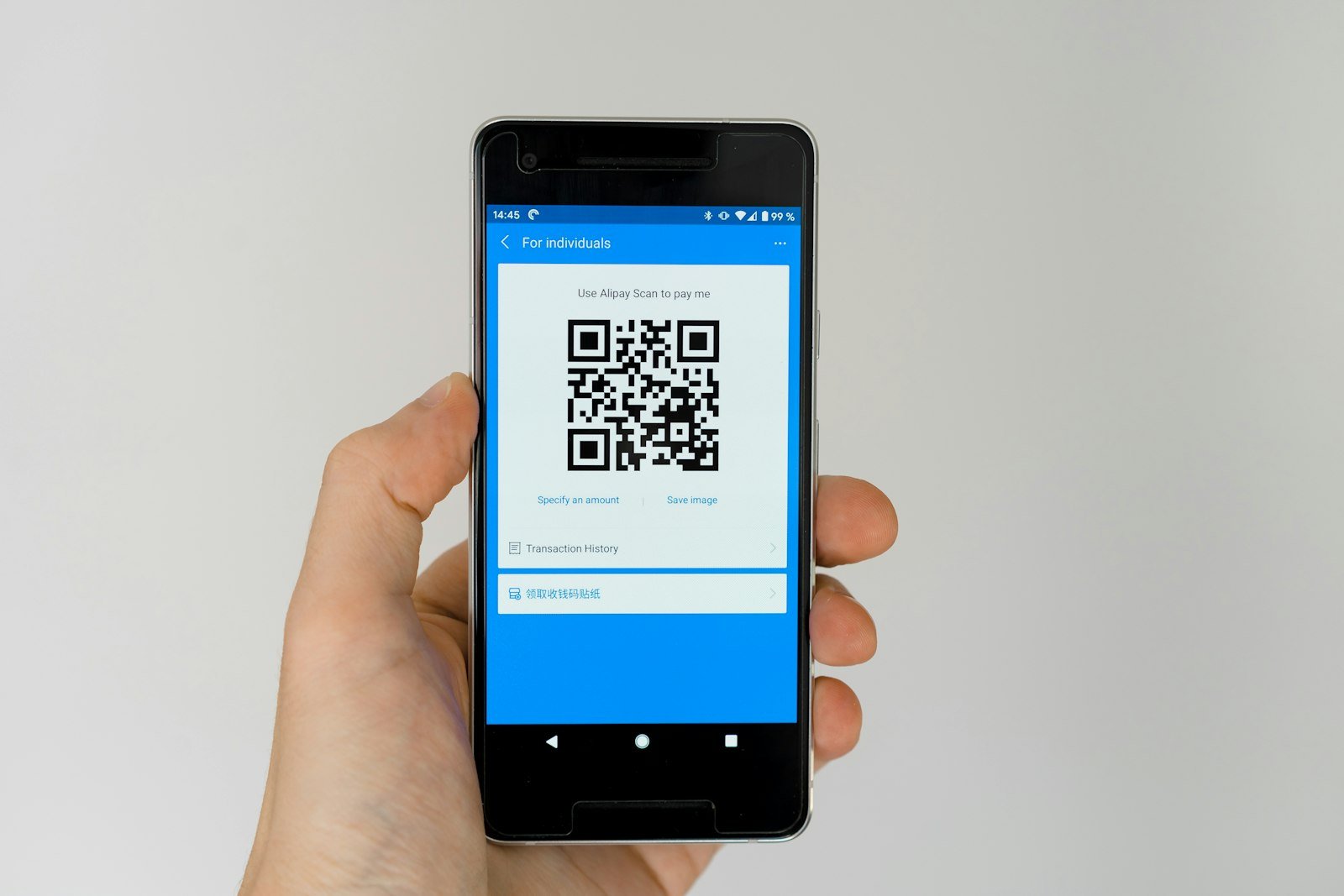
How it works: a QR code on signage, packaging or a screen leads to a short mobile form. Completing it enters the visitor in a draw.
Real example: for the FIFA World Cup 2026, Coca-Cola’s Canadian campaign put QR codes on limited-edition cans. Scanning led to contest entries through its Coca-Cola Soccer Central platform, with more than 1,000 prizes and weekly draws, alongside branded fan zone spaces in Toronto and Vancouver, as reported by Retail Insider.
Make it work: put the code at eye level with the prize in large type, keep the form to three fields, and test it on mobile data before the event.
2. Spin-to-win wheel
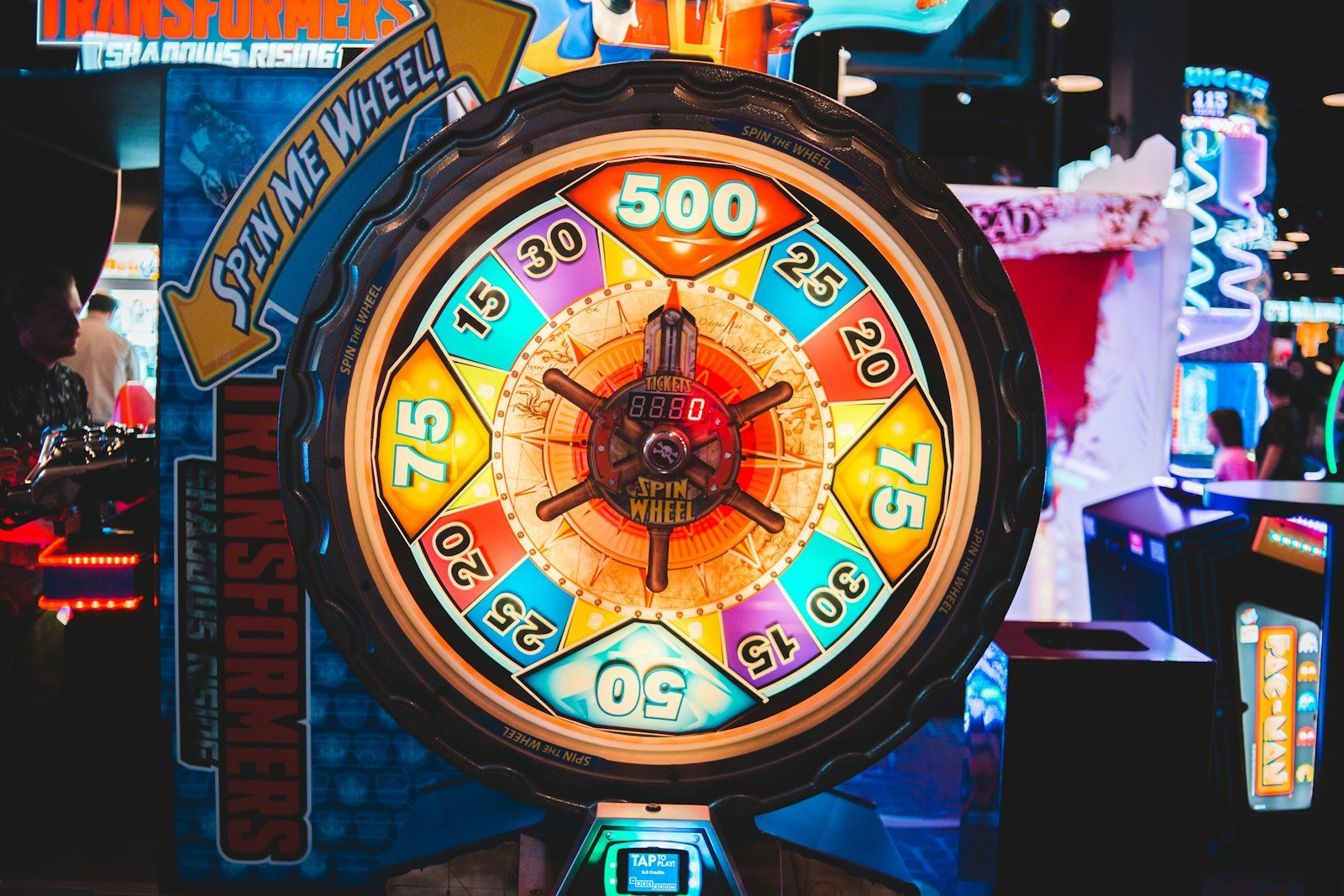
How it works: visitors enter their details on a tablet or scan a code, then spin a physical or digital prize wheel. Everyone wins something small. A few win something bigger.
Why it works: the wheel is visible and noisy, so it draws a line, and a line draws a crowd. The instant result is more motivating than a draw next month.
Illustration (my own example, not a real campaign): a bank such as CIBC at a street festival could offer a spin for branded merchandise, a coffee gift card or a larger prize, with the form asking one qualifying question such as “Are you planning to buy a home in the next year?”. The answer decides which follow-up the contact receives.
A real instant-win at national scale: Tim Hortons’ Roll Up To Win is the same idea, digitised. Guests earn digital rolls by scanning their Tims Rewards card or ordering in the app, according to Tim Hortons’ help centre. The prize is the hook. The loyalty scan is the capture.
3. Free sample plus coupon
How it works: hand out a taste or a trial size, with a coupon or QR offer that brings the person back to buy.
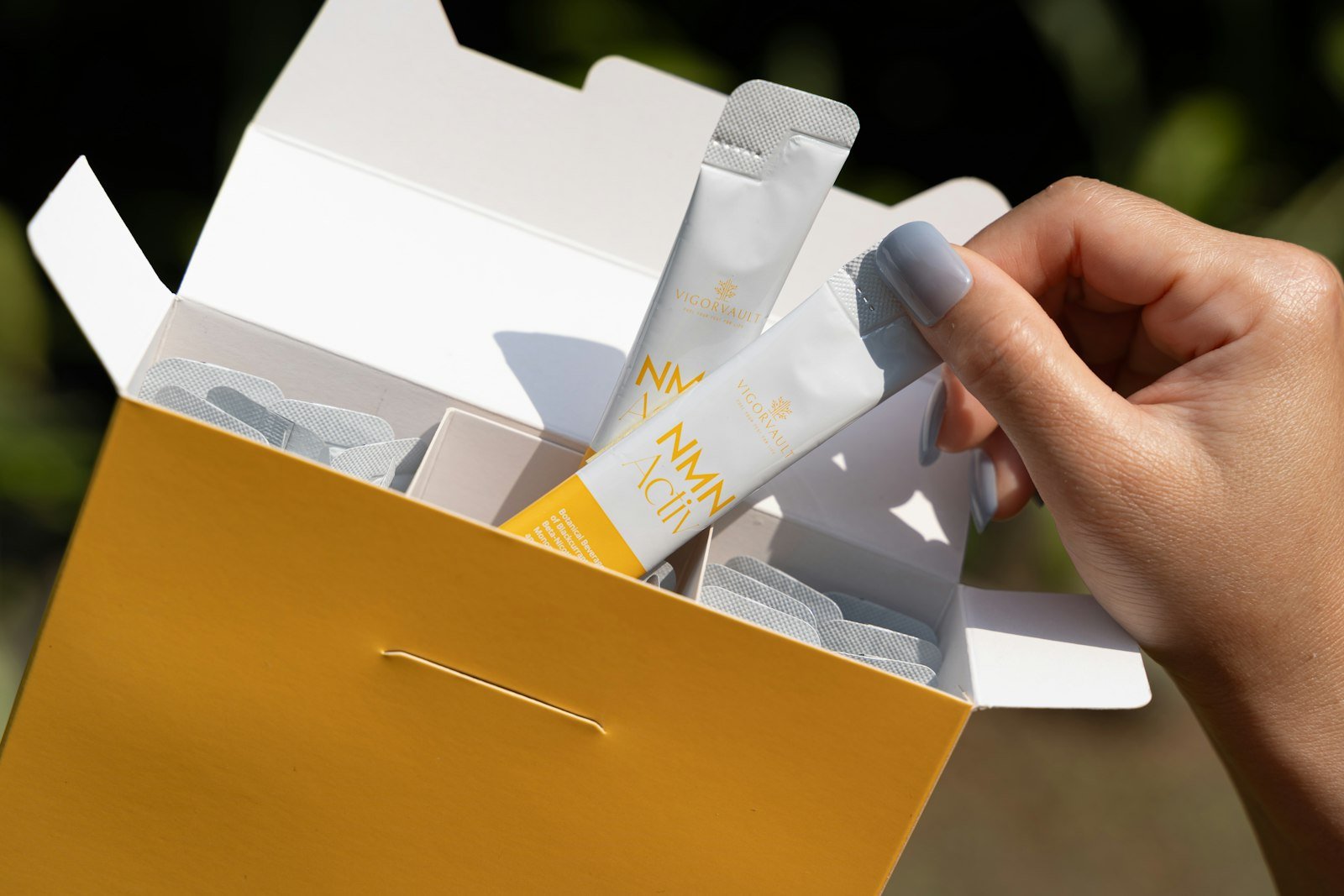
Real example: Costco’s in-warehouse sampling is the best-known version in Canadian retail. The effect is supported by research. A study of in-store sampling published in the Journal of Retailing, summarised by Brigham Young University, found that samples lift sales both immediately and over the following weeks, last longer than end-of-aisle displays, and can raise sales across the whole product category.
Make it work: a sample alone builds awareness. Add a coupon with a short expiry or a “scan for 15% off” code so you can count redemptions and collect sign-ups.
4. Photo or video moment
How it works: build a backdrop, prop or booth worth photographing. Visitors enter an email or phone number to receive their photo, or post it with a hashtag to enter a contest.
Real examples: during the 2026 World Cup, Dove Men+Care ran a photo and video social contest in Toronto with match tickets as the prize, and Uber’s fan activations in Toronto and Vancouver included photo moments and giveaways, according to Event Marketer’s roundup.
Make it work: deliver the photo by text or email so you collect the contact, and put your brand in the frame, not only on the wall behind it.
5. Customised keepsake
How it works: visitors design or personalise something on the spot: a printed shirt, an engraved bottle, a custom label.
Real examples: Coca-Cola’s fan zone spaces in Toronto and Vancouver offered customisable apparel, per Retail Insider. In the United States, Bank of America’s build-your-own bracelet stations drew lines lasting hours, according to Event Marketer.
Make it work: personalisation takes time, so collect the contact at the start and send a “your item is ready” text. The wait becomes your opt-in.
6. App or loyalty reward
How it works: offer a free item or bonus points for downloading the app or joining the loyalty programme at the booth.
Real example: Roll Up To Win again. Tim Hortons gives extra rolls for mobile orders placed in its app, which turns a seasonal contest into app usage.
Illustration (my own example): a grocery or CPG brand could offer a free product at its booth for anyone who joins its rewards programme on the spot, with staff helping people sign up in under a minute.
Make it work: have staff ready to help with the install, and make the reward usable the same day.
7. Cause or community event
How it works: the brand hosts or sponsors something people register for: a run, a clean-up, a workshop, a community day.
Real example: CIBC has been title sponsor of the Canadian Cancer Society CIBC Run for the Cure for 30 years, with employees taking part as Team CIBC, according to CIBC. Participants register and fundraise, which builds a relationship far deeper than a booth visit.
Make it work: choose a cause that fits the brand and commit for years. This is the slowest lead magnet and the one that builds the most trust.
What are the rules for contests in Canada?
This is not legal advice. Have your contest rules reviewed before you launch. The basics:
- Disclosure. The Competition Bureau’s guidance on promotional contests says organisers must disclose the approximate number and value of prizes, any regional allocation, and all information that affects the chance of winning.
- No purchase necessary. Say clearly whether a purchase is required, and provide a free way to enter.
- Skill-testing question. Canadian contests commonly require winners to answer one before claiming a prize.
- Consent to follow up. Entering a contest is not permission to send marketing. Under CASL, add a separate, clear opt-in for commercial messages.
- Provincial rules. Check the requirements in each province where the contest runs, especially Quebec.
How do I choose the right lead magnet?
- Start from the goal. Volume of contacts points to a QR contest or wheel. Trial points to sampling. Trust points to a cause.
- Match the dwell time. A busy walkway needs a five-second hook. A seated festival crowd can handle customisation.
- Price the prize against a lead. Decide what a qualified lead is worth, then set the prize budget so cost per lead stays below it.
- Ask one qualifying question so sales can tell a prize hunter from a buyer.
- Plan the follow-up first. Tag the leads by event, send the thank-you within 24 hours, and report bookings at 30 days.
Which lead magnet fits your goal?
Pick the goal that matters most for this event.
Whatever you pick, plan the follow-up first: tag the leads, thank them within 24 hours and report bookings at 30 days.
Tools for the job
| Tool | Use it for | Cost |
|---|---|---|
| GoHighLevel | Forms, QR codes, contact tags and automated follow-up | Paid |
| Canva | Signage, coupons and QR code graphics | Free plan |
| Campaign URL Builder | Tagged links behind each QR code | Free |
| Google Analytics 4 | Scans and sign-ups by event | Free |
Plans and pricing change. Check each tool's site for current details.
Frequently asked questions
What is the best lead magnet for a small booth?
A spin-to-win wheel or a QR scan-to-win offer. Both stop foot traffic, take under a minute and need little space.
How many form fields should I ask for?
Three at most: name, phone or email, and one qualifying question. Collect anything else in the follow-up.
Do I need official rules for a small giveaway?
Yes. Even a small contest in Canada should have written rules covering prizes, odds, eligibility and how winners are chosen. Have them reviewed before launch.
How do I know if the lead magnet worked?
Compare cost per lead and cost per booking with your other channels, using the event tag in your CRM. A full booth with no bookings did not work.
Related playbooks
Browse every playbook on experiential marketing, or see all marketing playbooks.
Sources
- Coca-Cola Launches FIFA World Cup 2026 Campaign in CanadaRetail Insider
- FIFA World Cup 2026: Brand Activations RoundupEvent Marketer
- How do I earn digital rolls for Roll Up To Win in the app?Tim Hortons Help Centre
- Study: free samples increase sales, work better than end-of-aisle promotionsBYU News
- Run for the CureCIBC
- Promotional contestsCompetition Bureau Canada
- Canada's anti-spam legislationCRTC
Remar Catapang is a full-funnel marketing strategist based in Ontario, Canada. He has worked in marketing since 2020 and continues to lead search, CRM automation, web, paid media and experiential campaigns for businesses in Canada, the United States, Australia, Egypt and the Philippines. His playbooks are based on that ongoing work. Questions about this playbook: remarcatapangjr@gmail.com