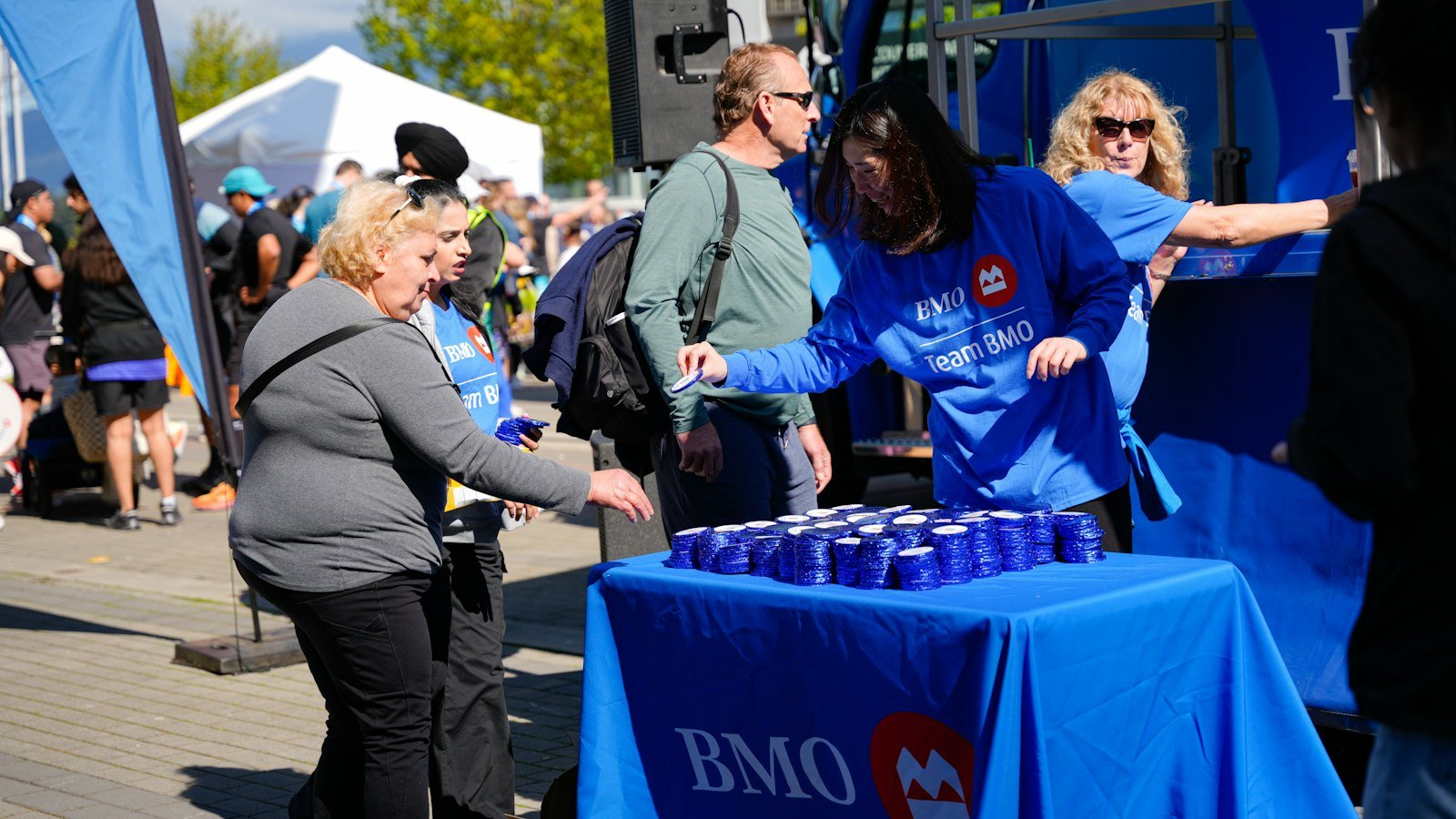
Restaurant brand activation: 10 real examples and how to run your own
What brand activation means for a restaurant, 10 documented examples from Tim Hortons, McDonald’s Canada, Taco Bell, Burger King, Shake Shack and Toronto’s own food festivals, a six-step plan, the Canadian rules for food, alcohol and contests, and a planner that turns your budget into targets.

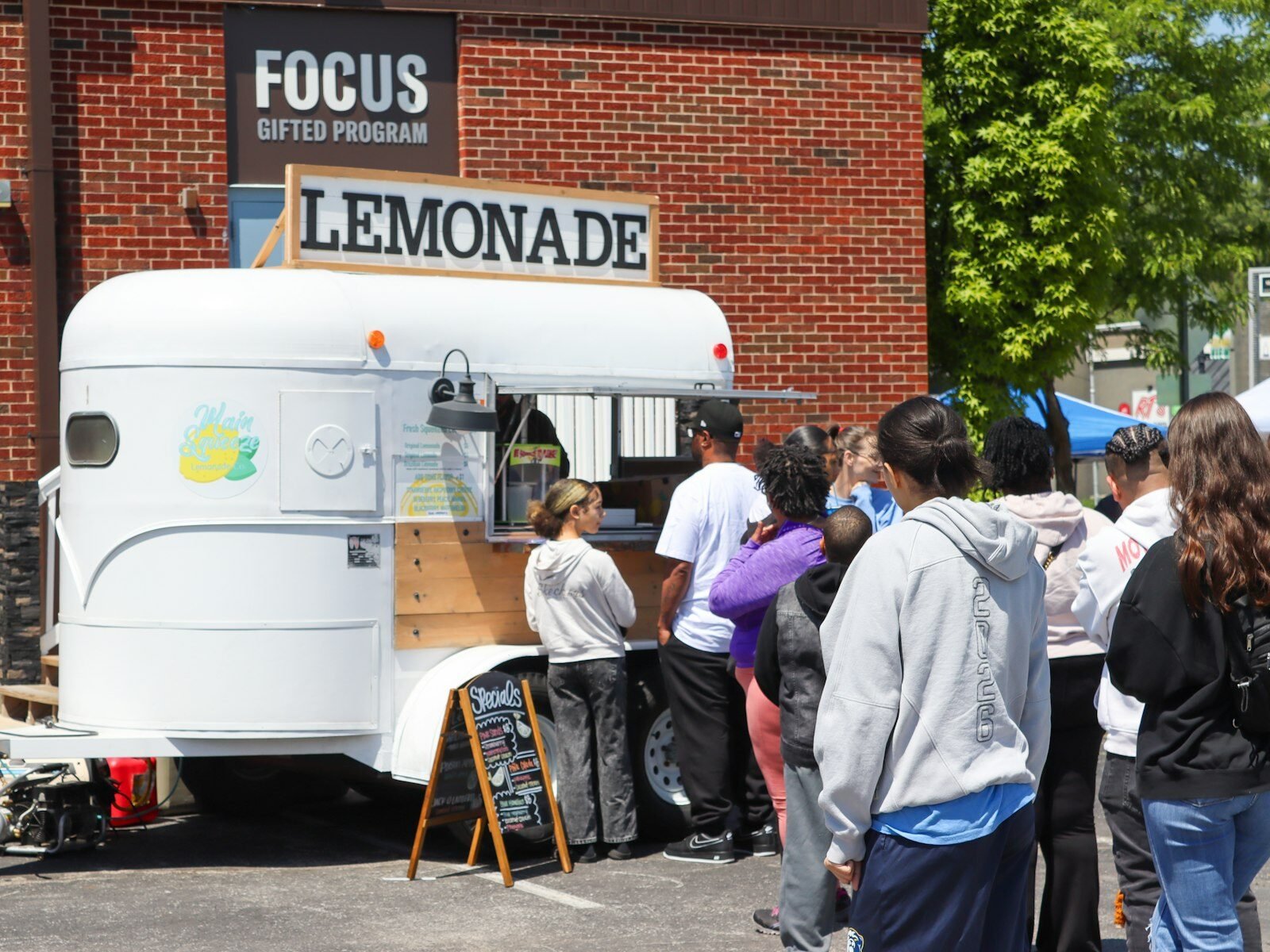
A restaurant brand activation is a live, time-limited event or experience that gets people to try your food and remember your name: a pop-up, a festival booth, a collaboration item, a charity day or a themed night. The ones that work give people a clear reason to show up now, something worth sharing, and a way to come back. To run one, set one measurable goal, pick an idea that fits your budget, sort out food safety and any alcohol permit weeks ahead, capture contacts on the spot with consent, and follow up within 24 hours. In Canada, OpenTable’s latest survey found 24% of diners say pop-ups, chef collaborations or limited-time events make them more likely to choose a restaurant.
- OpenTable Canada (survey of 2,012 Canadians, September 2026): 24% say pop-ups, chef collaborations or limited-time events make them more likely to pick a restaurant, and Experience bookings on OpenTable grew 61% year over year.
- Scarcity drives the line: Taco Bell’s 2019 hotel sold out in under two minutes; Tim Hortons’ Timbiebs were a limited edition.
- The best activations feed a list. Chipotle’s 2025 Boorito deal required a Rewards scan; Burger King’s Whopper Detour drove 1.5 million app downloads (company figures).
- You don’t need a big budget: Toronto’s Winterlicious puts 240+ restaurants in front of diners each year, and Shake Shack began as a hot dog cart.
- In Toronto, special event food vendor forms are due at least three weeks before the event; in Ontario, apply for an AGCO special occasion permit at least 10 days ahead.
- Contests in Canada need clear prize and odds disclosure, and a no-purchase entry option when there’s a chance element.
Key terms explained (18)
- Brand activation
- A live event or experience that gets people to interact with your brand in person, usually for a limited time.
- Experiential marketing
- Marketing built around an experience people take part in, rather than an ad they watch.
- Pop-up
- A temporary restaurant, stall or menu that runs for days or weeks in a place you don’t normally operate.
- Collaboration (collab) drop
- A limited item made with another brand, chef or personality and released on a set date.
- Limited-time offer (LTO)
- A menu item or deal available only for a short, stated period.
- Cause marketing
- A promotion where part of the sales goes to a charity or community cause.
- Sampling
- Giving small free portions so people can taste before they buy.
- Prix fixe
- A set menu at a fixed price, such as three courses for one price.
- BIA
- Business Improvement Area: a group of local businesses that funds street events and promotion in its neighbourhood.
- Earned media
- Coverage you don’t pay for, such as news stories, reviews and social posts by other people.
- Geofence
- A virtual boundary around a location that triggers an app action when a phone enters it.
- First-party data
- Customer information you collect yourself, such as emails and phone numbers.
- QR code
- A square barcode a phone camera can scan to open a link, such as a sign-up form.
- Tracking link
- A web address with tags (often called UTM tags) that tell your analytics where a visitor came from.
- SOP
- Special occasion permit: the Ontario permit to sell or serve alcohol at an event outside a licensed establishment.
- AGCO
- Alcohol and Gaming Commission of Ontario, which issues special occasion permits and regulates alcohol promotion.
- CASL
- Canada’s Anti-Spam Legislation: the rules for marketing emails and texts.
- Skill-testing question
- A question, often simple math, that a Canadian contest winner answers correctly before claiming a prize.
Ads tell people you exist. An activation gives them a reason to come out, taste the food and tell someone about it. For restaurants that’s a natural fit, because the product is something people experience with every sense.
This playbook is built on real cases with dates and sources, not invented results. It covers 10 restaurant activations that worked and why, how to choose one for your budget, a six-step plan, the Canadian rules for event food, alcohol and contests, and an activation planner that turns your budget and expected foot traffic into targets. If you want the general event playbook first, read how to plan a brand activation that generates leads.
What brand activation means for a restaurant
For a restaurant, brand activation means any short, live experience that puts your food and your name in front of people in a memorable way. It’s different from a regular promotion because people take part in it: they line up, taste, dress up, donate or post about it.
Diners are asking for it. OpenTable’s dining trends report for Canada (survey of 2,012 Canadians by Ripple Research, September 15 to 21, 2026) found:
The same survey found 30% of Canadians expect live entertainment and events to get them dining out more often. That’s a second reason to plan around events happening near you, not just events you host.
10 restaurant activations that worked
Each example below has a brand announcement or news coverage behind it, linked in the sources. Results are only included where they were reported. Canadian examples come first.
1. Tim Hortons × Justin Bieber: “Timbiebs”
Collaboration drop · Canada and U.S. · announced November 10, 2021, launched November 29, 2021What they did: Tim Hortons released three limited-edition Timbits flavours (Chocolate White Fudge, Sour Cream Chocolate Chip and Birthday Cake Waffle) created with Justin Bieber, plus co-branded merchandise. Bieber said a Tim Hortons collab “has always been a dream of mine.”
Why it worked: the partner genuinely loved the brand, the product was easy to try (a box of Timbits), and “limited edition” gave fans a reason to go now.
What a small restaurant can copy: collaborate with a local creator, athlete, bakery or brewery your customers already like. Name the item after the collab, sell it for a set number of days, and announce the end date up front.
2. McDonald’s Canada: McHappy Day
Cause day · Canada · 32nd year, May 6, 2026What they did: one day a year when customer purchases across McDonald’s Canada’s roughly 1,500 restaurants support Ronald McDonald House and local children’s charities.
Result: more than $10.8 million raised in 2026, and more than $122.1 million over 32 years, according to Retail Insider’s report.
What a small restaurant can copy: pick one day a year for one local cause, say exactly what share of sales goes to it, invite the charity’s volunteers to help serve, and post the total afterwards.
3. Dairy Queen Canada: Miracle Treat Day
Cause day · Canada · August 13, 2026What they did: net proceeds from every Blizzard sold at participating DQ locations go to children’s hospital foundations, 13 hospitals across Canada in 2026.
Result: about $58 million raised nationally to date, according to Sarnia News Today’s 2026 coverage, which also reported long lineups expected on the day.
What a small restaurant can copy: tie the cause to one signature item (“every [dish] sold today”), so the ask is simple and the item becomes the thing people buy and post.
4. Winterlicious and Summerlicious, Toronto
City prix fixe program · Toronto · Winterlicious ran January 30 to February 12, 2026What it is: a City of Toronto program where more than 240 restaurants offered three-course prix fixe menus in 2026, at $20 to $55 for lunch and $25 to $75 for dinner.
Result: since the City started the programs in 2003 to support restaurants in slower periods, they’ve served more than eight million meals and generated more than $353 million in economic activity for Toronto restaurants, according to the City.
What a small restaurant can copy: join the activations that already exist. Check your city, BIA or tourism office for restaurant weeks and prix fixe programs, and build a menu that shows off what you’d want a first-timer to come back for.
5. Taste of the Danforth, Toronto
Street festival · Toronto · August 7 to 9, 2026What it is: a Greek food and culture festival run by the GreekTown on the Danforth BIA since 1993, where local restaurants serve on the street. The Ontario government and City of Toronto put $400,000 toward bringing it back in 2026 after a two-year break.
Result: organizers reported nearly two million visitors in 2026, according to blogTO.
What a small restaurant can copy: if a street festival runs past your door, it’s your biggest sampling day of the year. Serve a fast, portable version of your best dish, and hand every customer a reason to visit the dining room later.
6. Taco Bell: The Bell hotel
Themed pop-up · Palm Springs, California · August 8 to 12, 2019What they did: turned a resort into a Taco Bell-themed hotel with branded rooms, exclusive menu items by the pool, room service and a gift shop. Rooms started at US$169 a night.
Result: reservations sold out in under two minutes, according to ABC30 and other outlets.
What a small restaurant can copy: the idea, not the budget. A one-night themed takeover of your own dining room (a decade, a film, a hometown dish) with a ticketed menu and limited seats gives you the same “sold out” story at your scale.
7. Burger King: Whopper Detour
Location-based stunt · U.S. · Cannes Lions Direct Grand Prix, June 2019What they did: offered a one-cent Whopper in the Burger King app, but the coupon unlocked only when the customer went to a McDonald’s first. Agency: FCB New York.
Result: 1.5 million app downloads, and, according to the chain, 3.5 billion earned media impressions and a 37-to-1 return on investment (reported by Adweek).
What a small restaurant can copy: the activation’s real goal was app downloads, and the stunt was the reason to download. Decide what you want (sign-ups, loyalty members), then design the playful hook around it. Keep jokes about competitors good-natured and truthful.
8. Shake Shack: started as a hot dog cart
Park pop-up · New York · 2001 to 2004What they did: Danny Meyer’s restaurant group ran a hot dog cart in Madison Square Park, operated by its Eleven Madison Park kitchen, for three summers to 2003. In June 2004 it was replaced by a kiosk called Shake Shack, which added burgers, fries and shakes.
Result: the kiosk was meant as a one-off, but long lines led the group to expand, according to Fox News.
What a small restaurant can copy: a cart, stall or market table is a cheap way to test a new concept or menu before you commit to it. Watch what sells out and what people ask for.
9. Chipotle: Boorito
Annual theme day · U.S. · October 31, 2025 (25th anniversary)What they did: Chipotle Rewards members who came in costume after 3 p.m. on Halloween and scanned their Rewards card got an entrée for US$6, in person only. A separate TikTok costume contest (no purchase necessary) offered a VIP card worth over $500.
Why it worked: a fun, repeatable ritual that also grows the loyalty program, because the deal needs a Rewards scan.
What a small restaurant can copy: make joining your list or loyalty program the entry ticket. Run it on the same day every year so customers start planning for it. See the Halloween marketing ideas playbook for more.
10. Krispy Kreme: the Hot Now light
Store signal · introduced 1992What it is: a sign that lights up when fresh doughnuts are being made, an invitation to come in and try an Original Glazed while it’s on, according to Krispy Kreme.
Why it worked: it turns an everyday kitchen moment into a small event that happens again and again.
What a small restaurant can copy: find your own “fresh now” moment (bread out of the oven at 4 p.m., the first batch of dumplings) and signal it with a light, a bell or a story post, at the same time each day.
What the best ones have in common
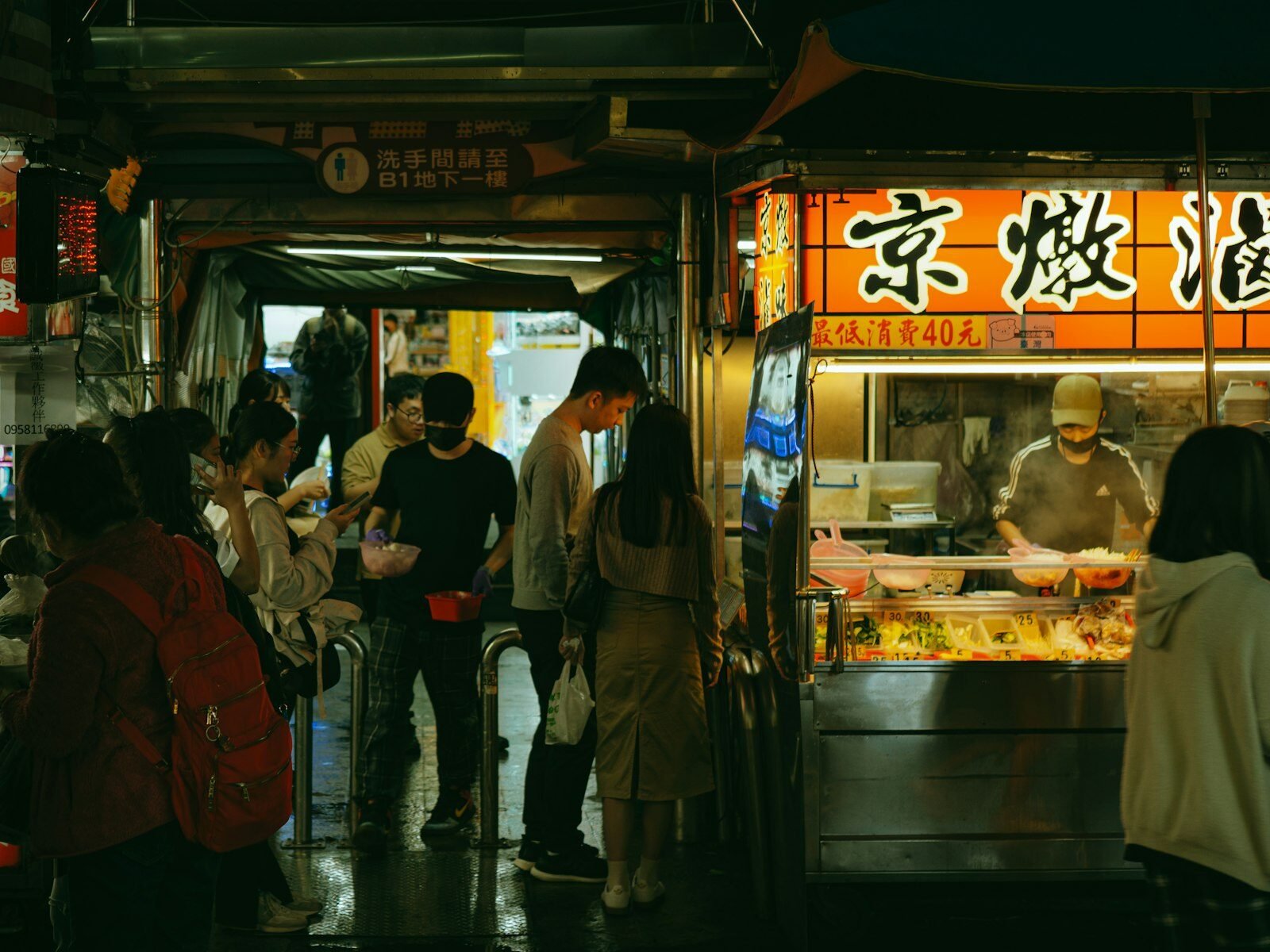
Put the 10 examples side by side and the same few ingredients keep showing up.
| Ingredient | What it looks like | Seen in |
|---|---|---|
| A reason to go now | A set date, limited edition or limited seats | Timbiebs, The Bell, McHappy Day, Boorito |
| One simple action | Buy one item, wear a costume, book a menu | Miracle Treat Day, Boorito, Winterlicious |
| Something to share | A photo moment, a story, a cause people want to support | The Bell, Whopper Detour, Danforth |
| A link to what comes next | An app download, loyalty scan or a reason to visit again | Whopper Detour, Boorito |
| It repeats | Same day every year, or a daily ritual | McHappy Day, Miracle Treat Day, Hot Now light, Winterlicious |
Pick an activation for your budget
The budget ranges below are examples to plan with, not quotes. Your costs depend on your food cost, staff wages, venue and city.
| Budget (example) | Activation ideas | Best for |
|---|---|---|
| Under $500 | A themed night in your own dining room, a daily “fresh now” ritual, a one-day cause tie-in with a local charity, a costume or dress-code deal for loyalty members, a tasting at a neighbour’s business | Filling slow nights, growing your list, goodwill |
| $500 to $3,000 | A sampling table at a farmers market or community event, a collab item with a local brand or creator, a pop-up at another venue for a day, joining a restaurant week or prix fixe program | New customers, launching an item |
| $3,000 and up | A festival booth with cooking on site, a multi-day themed pop-up, a ticketed chef collaboration dinner series | Awareness in a new area, press coverage |
Before you spend anything, check the free options: your BIA’s street events, your city’s restaurant programs, and festivals near you that need food vendors. For booths, the trade show booth on a budget playbook covers layout, staffing and follow-up in more detail.
How to run one in six steps
1. Set one goal you can count
Pick one: new email or loyalty sign-ups, first visits from a new neighbourhood, sales of a new item, bookings on a slow night, or money raised for a cause. Write a number next to it. “200 sign-ups” can be judged afterwards. “Awareness” can’t.
2. Choose an idea that serves the goal
Use the patterns from the examples: a reason to go now, one simple action, something to share and a link to the next visit. If the goal is sign-ups, make signing up the entry ticket, as Chipotle did with Boorito. If it’s a new item, make that item the star, as Tim Hortons did with Timbiebs.
3. Sort out permits and food safety early
If you’re serving food away from your restaurant, you’ll need to meet event food safety rules, and if alcohol is involved outside your licensed space, you’ll need a permit. Section 6 covers the Ontario rules. Ask the event organizer for their vendor package as soon as you’re accepted.
4. Staff it with people who can talk
Plan for one person cooking or plating, one serving, and one whose only job is to talk to people and capture contacts. The capture job gets dropped first when it’s busy, so give it to someone who isn’t also on the till.
5. Capture contacts on the spot
Put a QR code on the menu board, napkins and counter that opens a short form: name, email or phone, and a separate, unticked box for marketing consent. Offer something for signing up that brings them to the restaurant, such as a free side on their first visit within 30 days. Use a tracking link so you can see sign-ups from this event in your analytics. The lead magnets for brand activations playbook has more ideas for the hook.
6. Follow up within 24 hours
Send a thank-you message the same evening or the next morning, with the offer and an expiry date. Attention fades fast after an event, so the follow-up that goes out while people still remember the food does the most work.
Rules in Canada: food, alcohol, contests and CASL
These are the main rules to check. They’re summaries, not legal advice. Rules vary by city and province, so confirm with your local public health unit and alcohol regulator.
| Area | What the official guidance says | What to do |
|---|---|---|
| Event food safety (Toronto) | Special event application forms must be submitted at least three weeks before the event. A certified food handler must be on staff whenever the booth operates. Booths preparing food on site need a handwashing station with hot and cold potable water, soap and paper towels, or they can be closed. Keep cold food at 4°C or below and hot food at 60°C or above, checked with a probe thermometer. Food must come from an approved, inspected source. | Get the organizer’s vendor package early, book a certified food handler for every shift, and pack a handwashing station and thermometer. |
| Alcohol at events (Ontario) | Serving alcohol at an event outside a licensed establishment needs a special occasion permit from the AGCO, applied for through the iAGCO portal at least 10 days before the event. Advertised or money-making events need a public event permit. For outdoor events, notify the municipality at least 30 days (up to 60) before. A private event sale permit is $150 a day and a no-sale permit is $50 a day. | Decide early whether alcohol is worth the paperwork. For in-restaurant events, follow your licence and the AGCO’s advertising guidelines. |
| Contests (federal) | The Competition Act requires fair disclosure of the number and approximate value of prizes, regional allocation and anything that affects the chances of winning, and prizes can’t be unduly delayed. The Criminal Code separately prohibits games of chance where people must pay to enter; offering a free entry method avoids that issue. | Publish short rules with prizes, value, odds, closing date and a no-purchase entry option, and use a skill-testing question. Get legal advice for larger contests, and check Quebec’s extra rules if you run one there. |
| Marketing messages (CASL) | You need consent to send marketing emails and texts, and each message must identify you and include a working unsubscribe. | Use a separate, unticked consent box on your sign-up form, keep a record of when and where people signed up, and include an unsubscribe in every message. |
| Alcohol promotions (Ontario) | The AGCO’s advertising guidelines don’t allow licensed establishments to offer 2-for-1 drinks, liquor coupons or frequent-buyer programs on alcohol. | Make the offer about food or the experience, not cheap drinks. |
If you say a share of sales goes to a charity, say exactly what share and for how long, then publish the total. It keeps the promise clear for customers and the charity.
Plan your activation
Enter your budget, goal and a realistic estimate of how many people will pass your spot. The planner suggests activation types and works out targets for interactions, sign-ups and return visits, so you know before the day what “good” looks like.
Restaurant activation planner
Type over the examples. Nothing is saved or sent anywhere.
Your activation
Your estimates
The defaults are an example, not a benchmark. Use your own counts where you can: ask the organizer for past attendance, or count passers-by for 10 minutes and multiply by six. Return-visit revenue covers the first visit only; regulars are worth more over time.
Scripts and templates
Copy these and fill in the brackets.
Hi! Want to try our [dish]? It's from [Restaurant] on [street].
(After they taste) If you liked it, scan here and we'll send you a free [item] for your first visit in the next 30 days.
It takes 20 seconds, and you can tick the box if you'd like to hear about our events too.
Subject: Thanks for stopping by, here's your free [item]
Hi [first name], thanks for trying [dish] at [event] yesterday.
Show this message at [Restaurant], [address], for a free [item] with any meal until [date].
Book a table or order: [link]
[Restaurant] · Unsubscribe: [link]
[Contest name]. No purchase necessary. Open to residents of [province] aged [age]+. Closes [date and time]. [Number] prize(s): [prize], approximate value $[value]. Odds depend on the number of eligible entries. Winner must answer a skill-testing question. Free entry: [how to enter without buying]. Full rules: [link].
For [number] days only: [item], made with [partner]. Available at [Restaurant] from [start date] until [end date] or until we sell out. Come early.
What to measure
| Measure | How to calculate it | Why it matters |
|---|---|---|
| Interactions | Samples handed out or people served (count cups, plates or tickets) | Shows reach on the day |
| Sign-ups with consent | Form entries from the event's tracking link | The list you can reach afterwards |
| Sign-up rate | Sign-ups ÷ interactions | Shows whether your offer and staff ask worked |
| Offer redemptions | Event codes or offers used in your point-of-sale system | The visits the activation actually caused |
| Cost per sign-up and per return visit | Total cost ÷ sign-ups, and ÷ redemptions | Compares the activation with ads and apps |
| Mentions | Tagged posts, reviews and press stories in the week after | Earned media you didn't pay for |
Write the results down within a week, with what you'd change. The monthly marketing report playbook has a simple format.
Activation checklist
Tick these off as you go. Your progress is saved in this browser.
- One goal with a number written down.
- Idea chosen with a reason to go now and one simple action.
- Venue, festival spot or date confirmed.
- Organizer's vendor package received and food vendor forms submitted on time.
- Certified food handler booked for every shift.
- Handwashing station, probe thermometer and hot and cold holding packed.
- Alcohol plan decided; special occasion permit applied for if needed.
- Contest rules published with prizes, odds, closing date and free entry, if running a contest.
- QR sign-up form tested on a phone, with a separate unticked consent box.
- Tracking link and event offer code set up in your point-of-sale system.
- One staff member assigned only to talking and capturing contacts.
- Follow-up message written and scheduled for within 24 hours.
- Photos taken on the day for social posts.
- Results recorded within a week: interactions, sign-ups, redemptions, cost.
Tools for the job
| Tool | Use it for | Cost |
|---|---|---|
| A QR code generator with tracked links | Menu boards, napkins and counter signs you can measure | Free and paid plans |
| A form or email platform | Sign-ups with consent, and the follow-up message | Free and paid plans |
| Your point-of-sale system | Event offer codes and redemption counts | Usually included |
| Toronto's Special Event Food Safety Portal | Food vendor requirements for Toronto events | Free |
| iAGCO portal | Special occasion permits in Ontario | From $50 a day |
| Your city or BIA events page | Festivals, markets and restaurant programs looking for vendors | Free to check |
Fees, deadlines and rules change. Check each official page before you apply, and ask your local public health unit about rules outside Toronto.
Frequently asked questions
What is brand activation for a restaurant?
A short, live event or experience that gets people to try your food and remember your brand, such as a pop-up, festival booth, collaboration item, charity day or themed night. Unlike a regular promotion, people take part in it.
What are good restaurant brand activation ideas?
A limited collab item with a local brand, a one-day cause tie-in on a signature dish, a sampling table at a market or festival, a themed or ticketed night, a costume or theme day for loyalty members, and joining your city's restaurant week. The best ones give people a reason to go now and a way to come back.
How much does a restaurant activation cost?
It depends on scale. A themed night or ritual in your own space can cost little beyond food and staff time, while a festival booth with cooking on site costs more for fees, equipment and staff. Work out your cost per sign-up and per return visit before you commit.
Do I need a permit to serve food at an event in Toronto?
You need to meet Toronto Public Health's special event food rules. Vendor application forms go in at least three weeks before the event, a certified food handler must be on staff, and booths preparing food need a handwashing station with hot and cold water. Get the vendor package from the organizer.
Can I serve alcohol at a restaurant pop-up in Ontario?
Outside your licensed premises you need a special occasion permit from the AGCO, applied for through iAGCO at least 10 days before the event. Advertised or money-making events need a public event permit, and outdoor events need municipal notice at least 30 days ahead.
How do I measure whether an activation worked?
Count interactions, sign-ups with consent, and redemptions of an event-only offer, then divide the total cost by sign-ups and by return visits. Compare those numbers with what new customers cost you through ads or delivery apps.
Related playbooks
Browse every playbook on experiential marketing, or see all marketing playbooks. More for restaurants: holiday marketing and multi-location marketing.
Sources
- Dining trends report, CanadaOpenTable · page modified November 6, 2026 (Ripple Research survey of 2,012 Canadians, September 15 to 21, 2026)
- Justin Bieber and Tim Hortons announce collaborationTim Hortons via CNW · November 10, 2021
- McHappy Day raises more than $10.8 millionRetail Insider · May 2026
- Long line-ups anticipated at DQ for Miracle Treat DaySarnia News Today · August 13, 2026
- Savour the season: book your Winterlicious table nowCity of Toronto news release · January 19, 2026
- Ontario and Toronto put $400K toward bringing back Taste of the DanforthTo Do Canada · 2026
- Taste of the Danforth 2026blogTO · August 2026
- Taco Bell hotel reservations sell out in 2 minutesABC30 · June 2019
- Whopper Detour wins Direct Grand Prix at CannesAdweek · June 19, 2019
- Things you didn't know about Shake ShackFox News · checked November 8, 2026
- Chipotle's Boorito returns with $6 entrées on HalloweenChipotle newsroom · October 22, 2025
- Our historyKrispy Kreme UK · checked November 8, 2026
- Special event food vendorsToronto Public Health · checked November 8, 2026
- Apply to sell or serve alcohol at a private eventAlcohol and Gaming Commission of Ontario · checked November 8, 2026
- Registrar's guidelines for advertising and promotionAlcohol and Gaming Commission of Ontario · checked November 8, 2026
- Promotional contestsCompetition Bureau Canada · guidelines dated October 16, 2009, under review
- Guidance on implied consent under Canada's anti-spam legislationCRTC · checked November 8, 2026
Remar Catapang is a full-funnel marketing strategist based in Ontario, Canada. He has worked in marketing since 2020 and continues to lead search, CRM automation, web, paid media and experiential campaigns for businesses in Canada, the United States, Australia, Egypt and the Philippines. His playbooks are based on that ongoing work. Questions about this playbook: remarcatapangjr@gmail.com